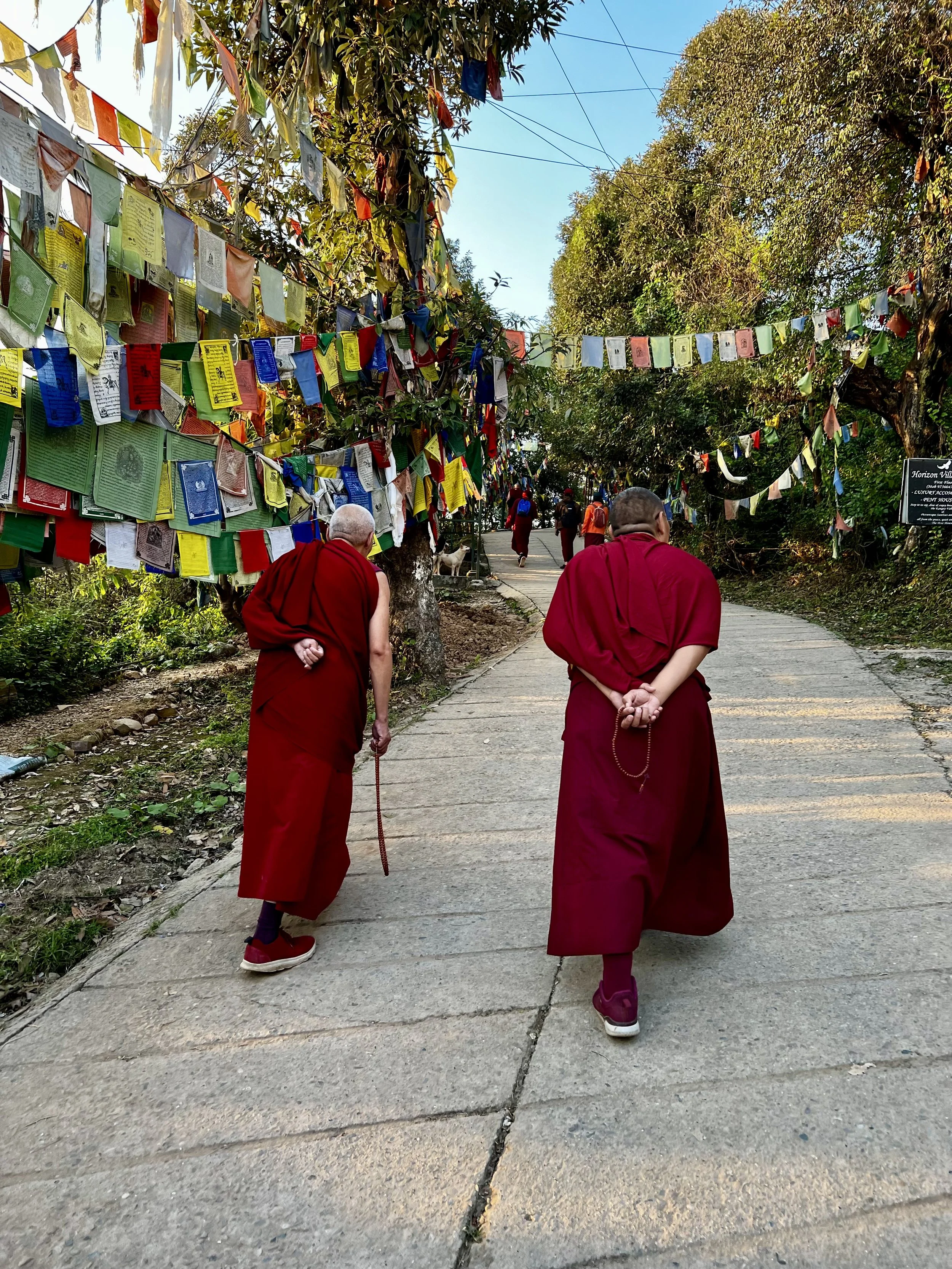
Dr. Chang’s research seeks to promote racial equity and collective flourishing by understanding how culture and context shape psychological health, identifying strategies for improving intergroup dynamics, and developing culturally-grounded interventions that integrate mindfulness and other contemplative traditions. Learn more about her active projects and the work of the Culture and Mental Health lab at NYU.
Culture, context, and collective flourishing

-
This NIMH-funded pilot project is evaluating the feasibility, acceptability, and preliminary effectiveness of a modular approach to improving therapists’ skills in strengthening the cross-racial/cross-cultural therapeutic alliance, a change mechanism strongly associated with treatment outcome, but harder to cultivate across racial-cultural differences. Recruitment is currently closed, but data are still being collected.
LEARN MORE HERE
Related Publications:
Chang, D. F., Dunn, J. J., & Omidi, M. (2021). A critical-cultural-relational approach to rupture resolution: A case illustration with a cross-racial dyad. Journal of Clinical Psychology, 77, 369–383. https://doi.org/10.1002/jclp.23080
Chang, D. F., & *Berk, A. (2009). Making cross-racial therapy work: A phenomenological study of clients’ experiences of cross-racial therapy. Journal of Counseling Psychology, 56(4), 521–536. https://doi.org/10.1037/a0016905

-
This program of research examines how mindfulness can support institutional gatekeepers (mental health clinicians, teachers, activists) enact their social justice commitments despite systemic, interpersonal, and psychological stressors and challenges. Recent studies have examined how mindfulness mitigates intergroup and internalized bias, enhances critical consciousness training in teachers, and supports Black community activists engaged in racial justice work. Funding provided by the Mind & Life Institute and Tiny Blue Dot. Ongoing.
Representative Publications:
Chang, D.F., Woo, E., McNamara A., Gaither, T., Bergstrom, K., Roach, T., Goerling, R., Teshome, A., & Proulx, J. (2025). Mindfulness for Black community leaders engaged in racial justice work: A qualitative examination of a brief community group intervention. Journal of Orthopsychiatry. 96(2), 154–168. https://doi.org/10.1037/ort0000838
Chang, D. F., Donald, J., Whitney, J., Miao, I. Y., & Sahdra, B. (2024). Does mindfulness improve intergroup bias, internalized bias, and antibias outcomes? A meta-analysis and systematic review of the evidence. Personality and Social Psychology Bulletin, 50(10), 1487-1516. https://doi.org/10.1177/01461672231178518
-
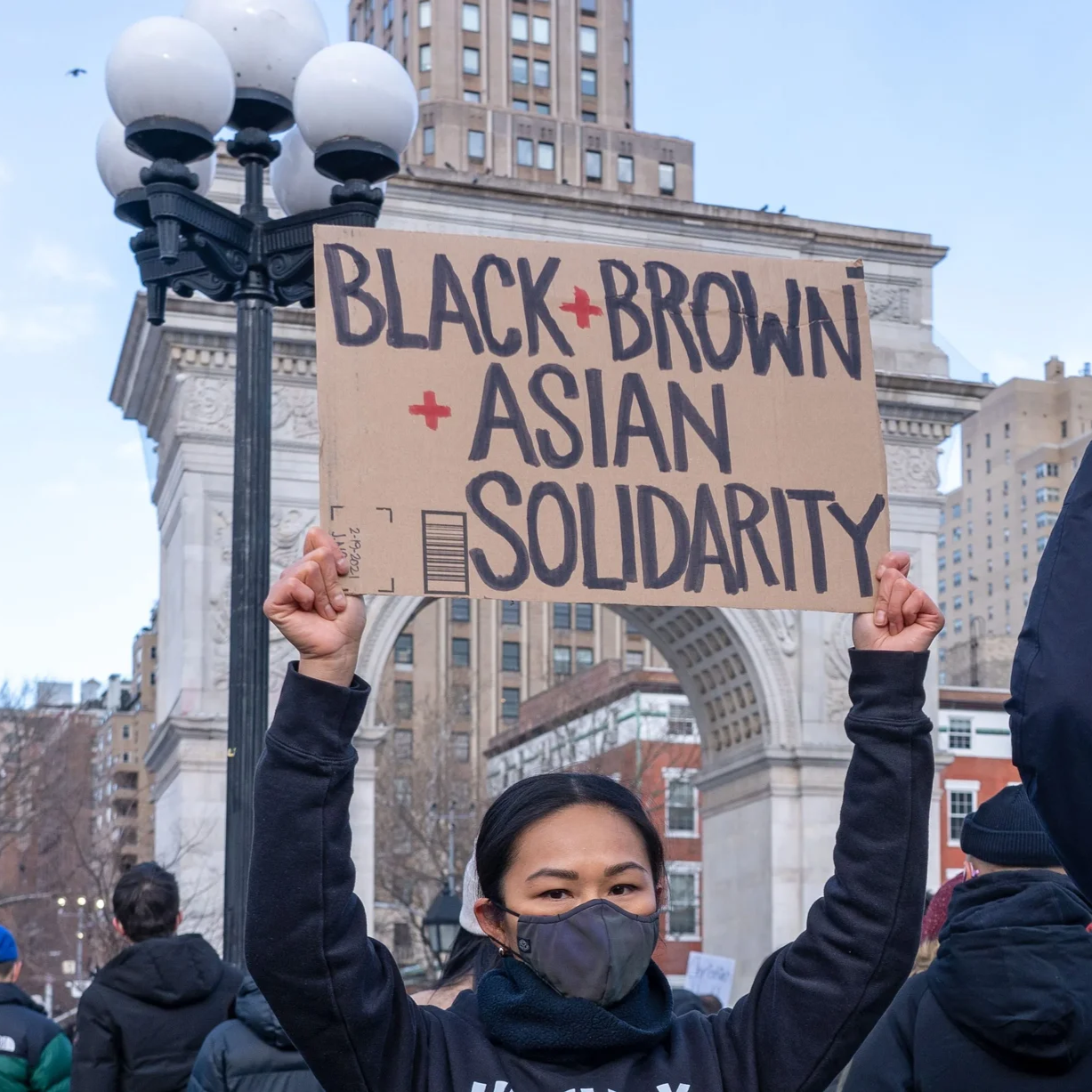
The CARA (Covid-19, Asian Americans, Resiliency, and Allyship) and ABRA (Asian and Black Americans, Racism, and Allyship) survey studies examine how racialized experiences shape psychological well-being, intergroup relations, and collective responses to racism in the United States. CARA focuses on Asian Americans’ experiences of discrimination, coping, identity, and civic engagement during the COVID-19 pandemic and the 2020 racial justice movement, while ABRA examines how structural and regional racial contexts influence racism, allyship, and health outcomes among Asian and Black Americans. Funded by a grant from the C+M Center on Data Science and Social Equity. Recruitment is currently closed, but data are still being analyzed.
REPRESENTATIVE PUBLICATIONS:
Chang, D. F., Yoo, N., Lee, C., Prasai, A., & Okazaki, S. (2023). From racial awakening to collective action: Asian Americans’ pathways to activism and benevolent support during COVID-19. Cultural Diversity and Ethnic Minority Psychology. 29(4), 503–515. https://doi.org/10.1037/cdp0000617
Okazaki, S., Lee, C., Prasai, A., Chang, D. F., & Yoo, G. (2022). Disaggregating the data: Diversity of COVID-19 stressors, discrimination, and mental health among Asian American communities. Frontiers in Public Health, 10, Article 956076. https://doi.org/10.3389/fpubh.2022.956076

-
When facing stressors and forces that feel beyond our control, how can we keep reaching towards our goals? This research program explores the psychological benefits of a Taoist mindset, characterized by the ability to flexibly adapt and respond to changing circumstances with clarity, patience, and purpose. Recent and ongoing studies focus on the development and adaptation of Taoist Cognitive Therapy, as well how a Taoist orientation can buffer the psychological impact and improve coping with acculturative and academic stressors. Ongoing.
REPRESENTATIVE PUBLICATIONS:
Chang, D. F., *Ng, N., Chen, T., Hung, T., *Miao, I. Y., Cao, Y. P., & Zhang, Y. (2020). Let nature take its course: Cultural adaptation and implementation of Taoist cognitive therapy for Chinese American immigrants with generalized anxiety disorder. Frontiers in Cultural Psychology, 11. https://doi.org/10.3389/fpsyg.2020.547852
Chang, D. F., Hung, T., Ng, N., Ling, A., Chen, T., Cao, Y., & Zhang, Y. (2016). Taoist cognitive therapy: Treatment of generalized anxiety disorder in a Chinese immigrant woman. Asian American Journal of Psychology, 7(3), 205–216. https://doi.org/10.1037/aap0000052